It is more than a matter of curiosity to ask what the riskiest tattoo colour is. Your decision on colour will have an impact on everything from healing and fading to the difficulty of removal down the line and whether you have an allergic reaction. Put simply, red is considered by many to be the riskiest; it is the one most frequently tied to skin irritation, delayed hypersensitivity and the like in terms of allergic reaction patterns.
You could say I have picked up a thing or two about the practicalities behind the polished exterior of a beauty business in my time. I am Olivia Dimitriou and I can tell you tattooing is no exception. For all the pretty swatches and things you might save on Pinterest, there are the realities of aftercare, sunlight, skin behaviour and pigment ingredients, and the likelihood that some colours are more trouble making than others.
Why You Should Think About Colour
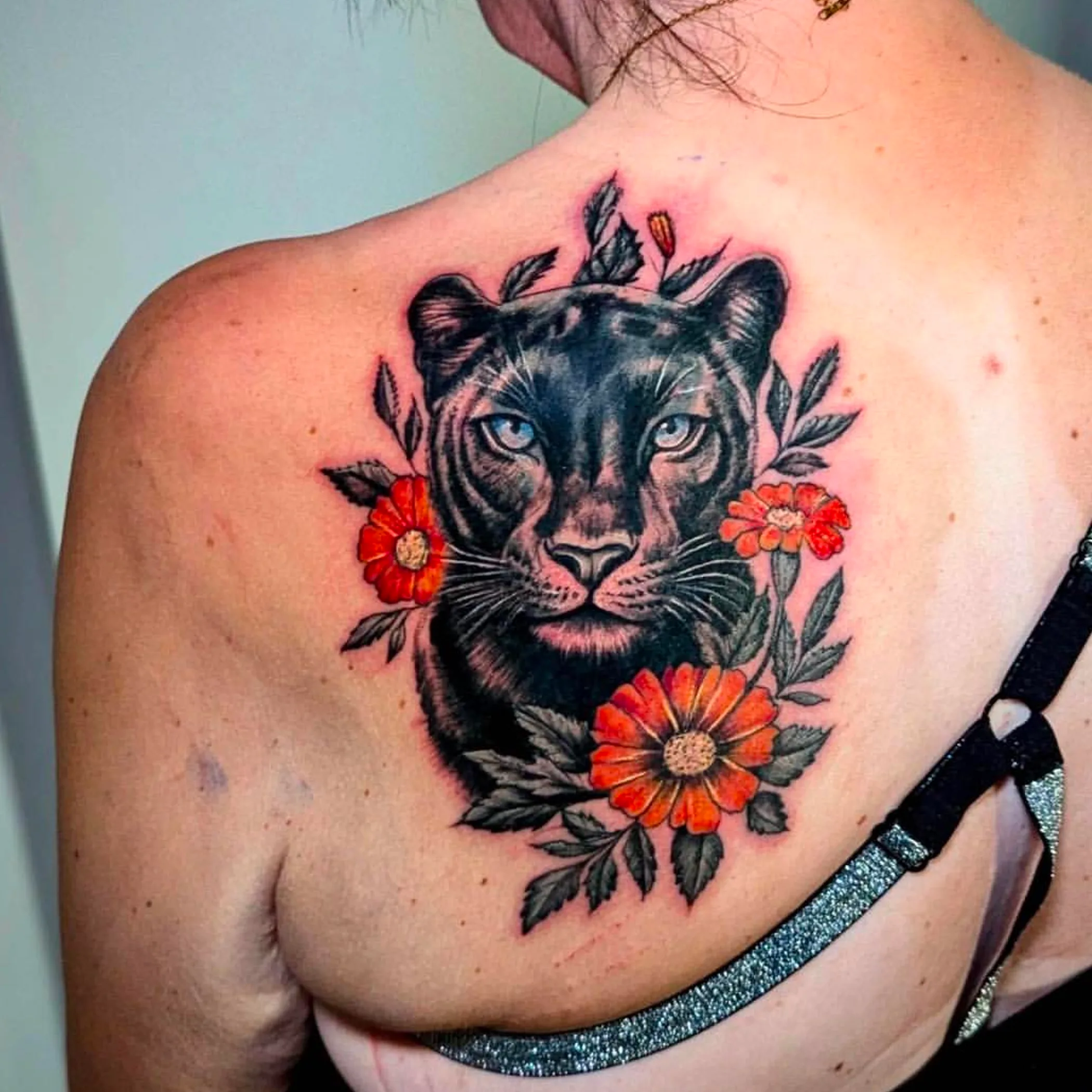
For the vibe of it, most will pick their shade, not the chemistry involved. One can understand that. Yet pigments are not made alike and your skin will not respond in kind. A case in point is a tattoo that seems to have healed without issue only to put on a show months or years down the road. With certain bright pigments the risks of the ink go beyond the session and into long term immune responses and laser removal.
The Short Answer
To be blunt, when it comes to chronic reactions and tattoo ink allergy, red is the usual suspect. That is not to say every red piece is going to be an issue, nor that you are safe with any other colour. Red has earned its reputation in consumer reports and clinical circles for causing allergic problems.
One should not conflate “most likely to provoke a reaction” with “the most toxic ink”. They are not one and the same. Toxicity is a question of manufacturing standards and contaminants in the formulation, whereas an allergy is down to your immune system and the compounds at play.
Red And Its Problems
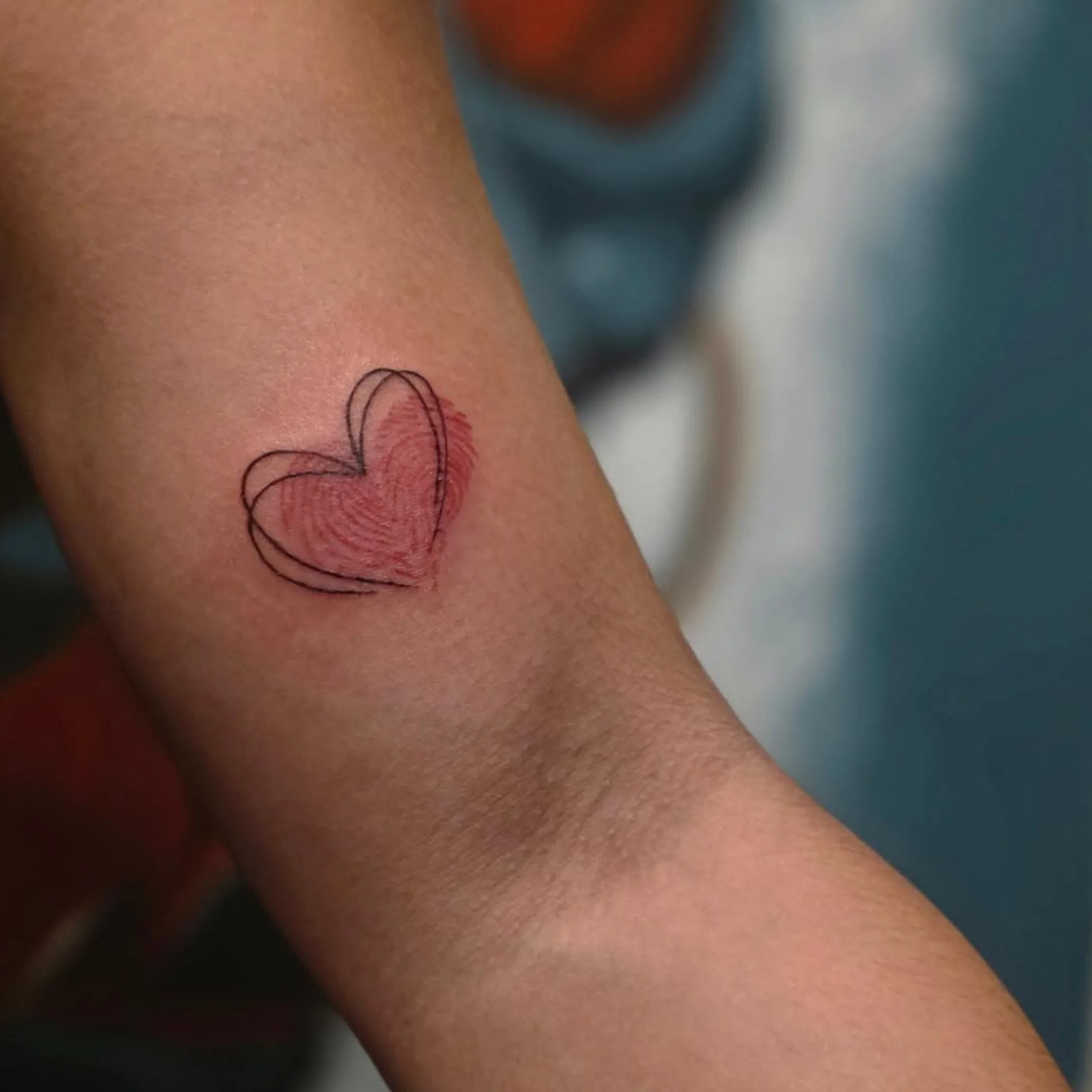
There is a drama to red on the skin that is hard to deny, but clinicians and old hand artists tend to look at it askance. If I were to put it in my own words, red is the high-maintenance friend in the tattoo world: memorable and gorgeous, but prone to making a scene.
Chemistry and the way the body reacts are the culprits. In the past reds were made with mercury sulfide and while today’s formulations are not uniform, red still tops the list for itchiness, inflamed patches and raised skin in allergy reports.
Matters Of Chemistry
You will hear it called a delayed hypersensitivity or an alergic contact response. What happens is your body may take umbrage with the red pigment and continue to react well after the surface has healed. This manifests as a rash confined to the red parts, or thickened, scaly, itchy skin.
Manufacturers and regions will have different ingredient lists in their red inks, some of which have been known to elicit a stronger response from the immune system than black inks would. It is why an artist ought to be forthcoming about his product line and have the documentation to back it up; brand transparency is of more consequence than the chart on the wall.
Common Misconceptions
People are under the impression that if there is a problem it will be immediately obvious. A tattoo ink allergy can be insidious. One can heal fine and then find the red portions are the ones left itchy and raised, particularly in the heat or sun. Then there is the notion that a “vegan” label or organic marketing makes for a hypoallergenic ink. Do not be fooled. Your immune system is not going to heed such labels and no colour is free of risk.
A Word On Other Colours
All the fuss is over red, but there are other pigments that will fade or give you grief during removal. Here is where you have to face up to the difference between what you expect and reality. There is a dreamy quality to a soft pastel design in the beginning, but it can turn patchy or fade and prove hard to put right quicker than one would think, the Australian sun being a factor.
Yellow, Green, White, And Pastels
With yellow ink there are risks tied to the pigment’s stability and its sensitivity to the sun. In some instances cadmium compounds have been used in yellow pigments of old, giving rise to photo-allergic reaction worries. Put simply, for some the sun will provoke or compound irritation in those yellow parts.
Then you have green; reports of reactions with that colour are not uncommon, what with the formulation. White may not be as notorious an allergen as red but it has its own way of being a headache. You can run into trouble with white ink when it comes time for removal: certain pigments oxidise under the laser and darken. A pale highlight might go grey or black before any improvement is seen, if indeed it does improve. No small matter of cosmetics.
Pastel inks put all manner of difficult characteristics in a neat package. They tend to fade more quickly, do not show up as well on some complexions and call for earlier touch-ups. The usual culprits when it comes to which colours will not last are pale yellow, white and pastels, in any area the sun can get at.
| Colour | Main Risk Pattern | Removal Challenge | Fade Tendency |
| Red | More reports of allergy and delayed hypersensitivity | Stubborn in places | Moderate |
| Yellow | Concerns over skin irritation and photo-allergy | Does not always take kindly to the laser | High |
| Green | Some allergic reaction | Tends to be harder to get out than black | Moderate |
| White | Healing can be patchy and less apparent | Laser work carries an oxidation risk | High |
| Pastels | Longevity and visibility issues | Uneven to treat | Very high |
| Black | Not as much in the way of allergy as the brighter hues | Easiest for the laser to pick off | Lower |
You will find in the clinical literature and from dermatologists that red is the one most often blamed for an allergic response to a tattoo, whereas black is not only simpler to remove but less likely to be the source of such complaints. It is a pattern, no more.
Removal Problems People Overlook
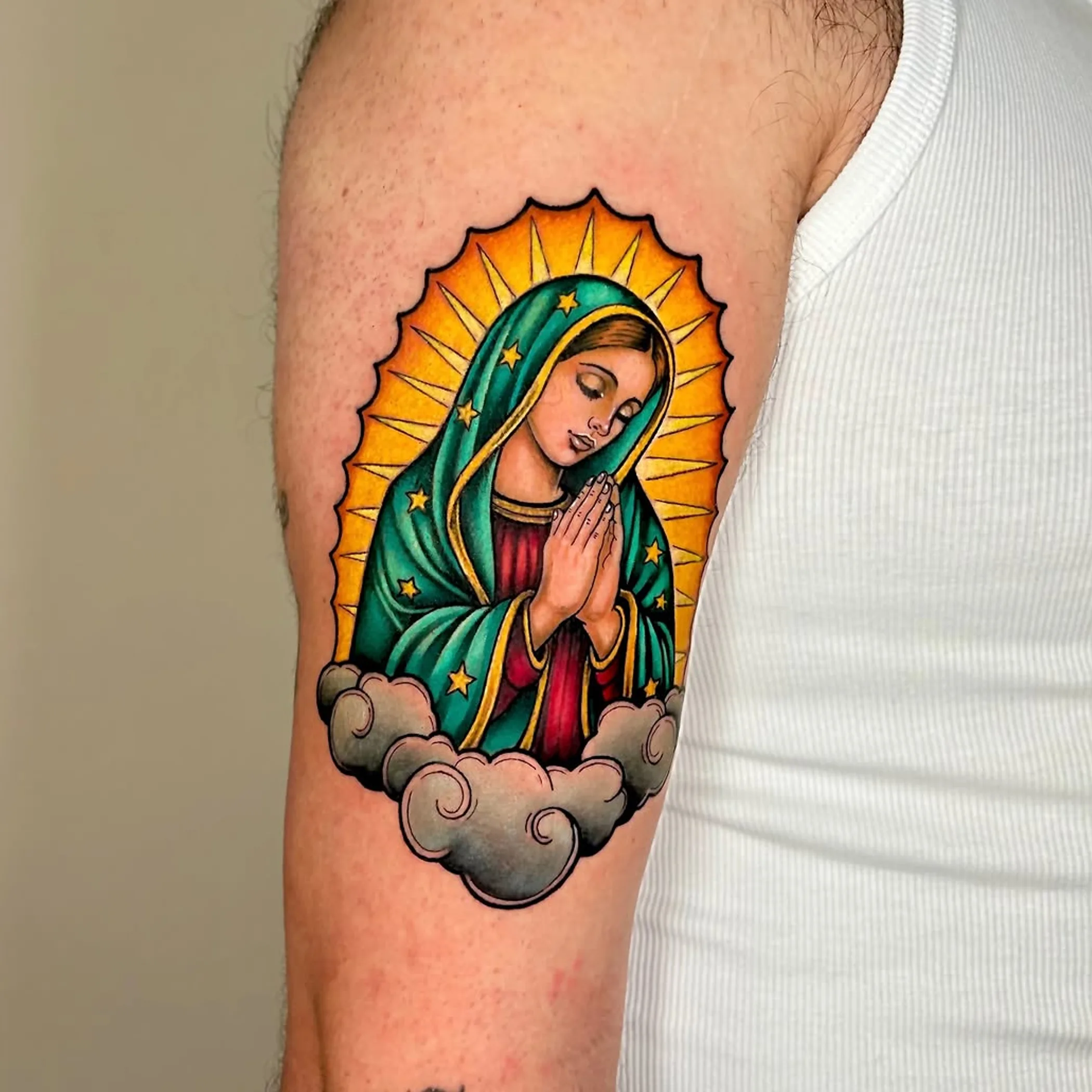
At twenty-two it is only natural to be concerned with how fresh the piece is. But by thirty-five, when one is done with it and finds that a colour will have a tantrum in the laser chair like a child in the supermarket, it is a different story. First-timers in particular are under the impression that colour does not make as much difference to the process as it does. Some inks will absorb the laser energy, others put up a fight or change colour and demand your patience and money.
Oxidation and the Laser
Black is the best behaved for removal, absorbing a wide spectrum of wavelengths. Not so with light blue or green. As for white and some pastels or flesh tones, they can darken on treatment. A surprise for many contemplating cosmetic correction, be they in Brisbane or Melbourne looking for services.
It is not insurmountable but do not assume you can have a colour erased without a consultation first. If the work is heavy on white or mixed pastels, enquire as to the darkening risk and the cost and number of sessions it will take, and whether a test spot is in order.
In Australia the price of laser removal in a clinic is as variable as the size and complexity of the job, and even something small will mount up after a few go-rounds. Hard as it is to accept, a cheap tattoo can be an expensive mistake if the pigment is recalcitrant.
Matters of Skin Tone and Placement
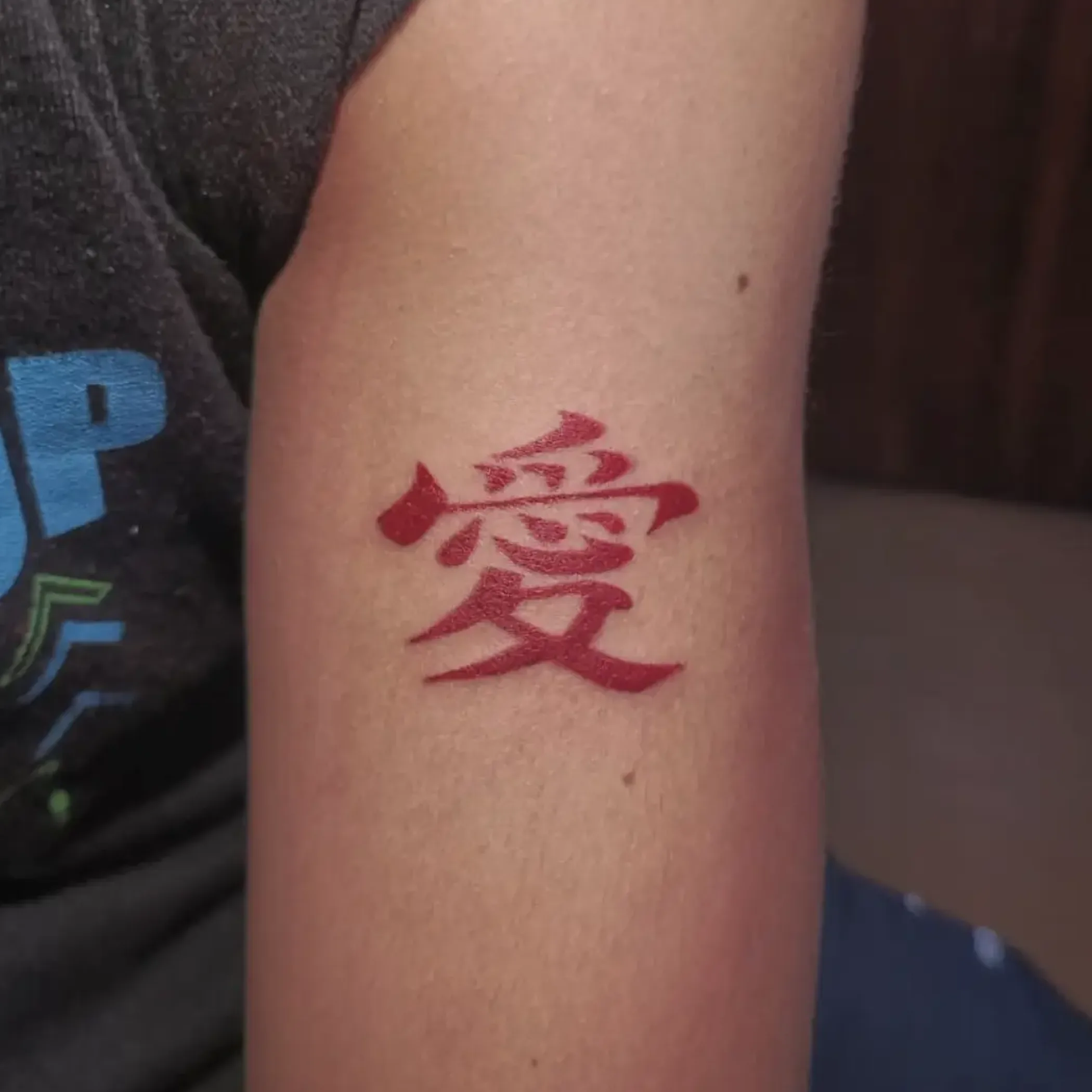
A given pigment will not act the same on everyone. How it is placed, sun exposure, medical history, immune system and skin tone will determine how a tattoo takes hold and if a reaction makes itself known.
Olivia Dimitriou would tell you that is the part people forgo because it is not as entertaining as picking a font. Yet it is where you make the sensible choice to spare yourself grief.
For Those Who Should Be Wary
A propensity for eczema, contact dermatitis or unexplained issues with metals, hair dye or adhesives puts you at greater risk with coloured pigments. You are not precluded from having a tattoo but caution is advised, especially with colours your reactive skin has shown it does not like.
Then there is the question of placement. A spot that is subject to the elements, friction or a good deal of movement will see its colour fade and get worked up more quickly. You will find the hands, feet and ankles, or where clothing chafes, are not as predictable in their healing as some unexposed, flat skin. So if you are set on a particular design for a high-friction area, be clear-eyed about your colour plan.
Lowering The Risk
One can do a lot to mitigate the risks of tattoo ink but they cannot be made to disappear. There is no magic colour for safety; it comes down to a methodical approach: vetting the studio’s hygiene, being sure of the pigment, making sensible colour decisions and having an understanding of one’s own skin. In this regard practicality trumps looks. An artist may put down a fine line but if he can’t explain what is in his bottle or how he would manage a reaction, I would put my shoes back on and leave. Put him to the test with some questions. Find out the brand and batch of the pigment and whether he has ingredient or safety data to show.
For those with allergies or sensitive skin, have a word with a medical professional about a patch test before you are tattooed; the artist is not in a position to make a diagnosis. Be wary of reds, pastels and yellow highlights if cosmetics, metal jewellery or hair dye have given your skin trouble in the past. And go with a licensed, experienced studio that has proper aftercare protocols and does not cut corners on hygiene.
Consider removal as well. Black is less of a headache than white or a mix of pastels should you want the option down the track.
Do not be fooled by any claims of a hypoallergenic ink with zero risk, none exists. You will come across names like Starbrite Colors or Biomaser Tattoo being touted as cleaner on the internet, but a product’s reputation is not a medical guarantee. You might look to WebMD, the American Tattoo Society or Unique Health and Wellness for some ideas, but a consultation with a decent tattooer or a proper medical opinion is something these sources cannot replace.
When To See A Doctor
Some soreness and redness is to be expected of a healing tattoo for a while. But if you are running a fever, have pus or a rash that lingers long after it should have, or the pain and redness is on the increase, that is another matter. It is important to tell infection from allergy since the remedy is different; the former calls for antibiotics, the latter could require a dermatologist and topical steroids.
Don’t put off an urgent review
- Urgent review is sensible if you develop fever, spreading redness, severe swelling, pus, red streaking, or escalating pain.
- See a GP or dermatologist if one colour stays persistently itchy, raised, blistered, or scaly weeks or months later, especially if the rest of the tattoo is fine.
- Seek advice quickly if sunlight triggers repeated flare-ups in yellow or red sections.
- If you have trouble breathing, facial swelling, or signs of a severe allergic reaction, call emergency services immediately.
For current Australian health guidance on body art infection prevention and skin penetration safety, see the Australian Government Department of Health, Disability and Ageing. Official health advice is worth more than internet folklore, especially when a tattoo is hot, swollen, and making you question your life choices.
A Matter Of Evidence
Dermatology evidence and open practice at a reputable shop will give you the most reliable view on this. The pattern is clear enough: red is the most likely to cause an allergic reaction, and then you have the problems of oxidation, fading and sun sensitivity with the yellows, greens, whites and pastels.
Black is the safest bet in a practical sense for ease of laser removal and fewer allergy reports. Not the most glamorous recommendation but it has its uses. If bright colour is what you want, be informed and don’t shy away from the odd awkward question. Guard the piece from the Australian sun and accept that whether they say so or not, ink is as much a chemistry experiment as an art form.
Frequently Asked Questions
What Tattoo Colors Should I Avoid?
Red is the one to be cautious over if you want to keep reaction risk to a minimum. Pastel inks, white, green and yellow also warrant some consideration owing to the way they irritate the skin, fade under the sun and can be hard to remove. Your skin history and the part of the body in question will dictate the answer.
What Is The Most Toxic Tattoo Ink Color?
You can’t point to a single colour and call it the most toxic in all cases as contaminants and formulation are the determining factors. Red and yellow have been of more concern in the past due to the use of compounds like mercury sulfide and cadmium respectively. These days it is as much about the manufacturer’s transparency and quality as the colour.
What Is The Safest Tattoo Color?
In comparison to the brighter pigments black has a lower incidence of colour-specific allergic complaints and is typically the easiest to remove with a laser, making it the safest option. That does not mean it is without risk; bad aftercare or poor hygiene will cause issues of any shade.
What’s The Hardest Color To Tattoo?
Technically speaking and in terms of maintenance, very light pastels and white can be more of a nuisance than anticipated. They are not easy to see when applying, they do not always show on every skin tone and are prone to a patchy heal and quick fading.
Can A Tattoo Allergy Start Long After Healing?
Indeed it can, which is frustrating. A delayed hypersensitivity may present itself months or years on, usually with one pigment and red in particular. A dermatologist is the person to put that to the test.
